
Essential Steps for Septic Cleaning Success
Septic systems are crucial components of many household waste management systems, and proper maintenance is essential for their efficient operation. This article outlines the vital phases required for successful septic cleaning, ensuring your system remains in peak condition for years to come. A well-maintained septic system not only enhances efficiency but also extends the life of the system, preventing costly repairs. Homeowners often overlook septic system maintenance until problems arise, making proactive care even more critical. By understanding proper septic cleaning and maintenance techniques, homeowners can avoid unnecessary inconvenience and expense.
Understanding Your Septic System
Septic systems treat and dispose of domestic waste by using a combination of nature and proven technology. Wastewater from homes flows through pipes into the septic tank, where solids settle, and clearer liquid wastewater is dispersed into the drain field. Over time, the solids decompose, but some remain and require regular upkeep. A septic system essentially functions through gravity and biological processes, relying on the bacteria present in the tank. A proper understanding of these processes can help homeowners in the timely identification and resolution of issues.
A typical septic system consists of four main components: a pipe from the home, a septic tank, a drain field, and the soil. The pipe directs wastewater from the home into the tank, which retains solids and oils, while the drain field aids in effective effluent percolation. Underlying soil plays a crucial role in treating and dispersing the effluent successfully. The organic matter settles and decomposes in the tank, while any remaining scum floats to the top. Regular inspection and maintenance of all these components are vital for uninterrupted system functionality.
Common Issues and the Need for Maintenance
Septic systems, if improperly maintained, can encounter numerous issues, including clogs, backups, and breakdowns. The accumulation of sludge and scum, improper materials entering the system, or overloading the system can lead to failures. External sources such as heavy rain, improper land use above the system, and poor initial installation can also cause significant trouble. Recognizing these common problems enables homeowners to take preventive measures swiftly. Often, the signs of trouble are subtle, underscoring the importance of regular maintenance.
Regular maintenance serves as a preventive approach, significantly reducing the risk of septic system failure. Routine septic cleaning and check-ups prevent excessive buildup of sludge and scum, ensuring the efficient operation of the system. Following recommended pumping schedules helps avert potential overflows or backups that could otherwise occur. According to IBISWorld, the market size of the Septic, Drain & Sewer Cleaning Services industry in the United States is $7.0bn in 2025, highlighting the essential nature of these services. Proactive care can provide homeowners with peace of mind and safeguard their investment.
Several indicators suggest a septic system may require professional attention. These include slow drains, unpleasant odors, lush patches of grass over the tank area, and standing water in the drain field. Ignoring these symptoms can lead to severe damage, making regular observation critical for system longevity. Routine checks can help detect small problems before they escalate into major issues. Addressing these signs promptly ensures the system continues to function smoothly and hygienically.
Assessment of the Septic System
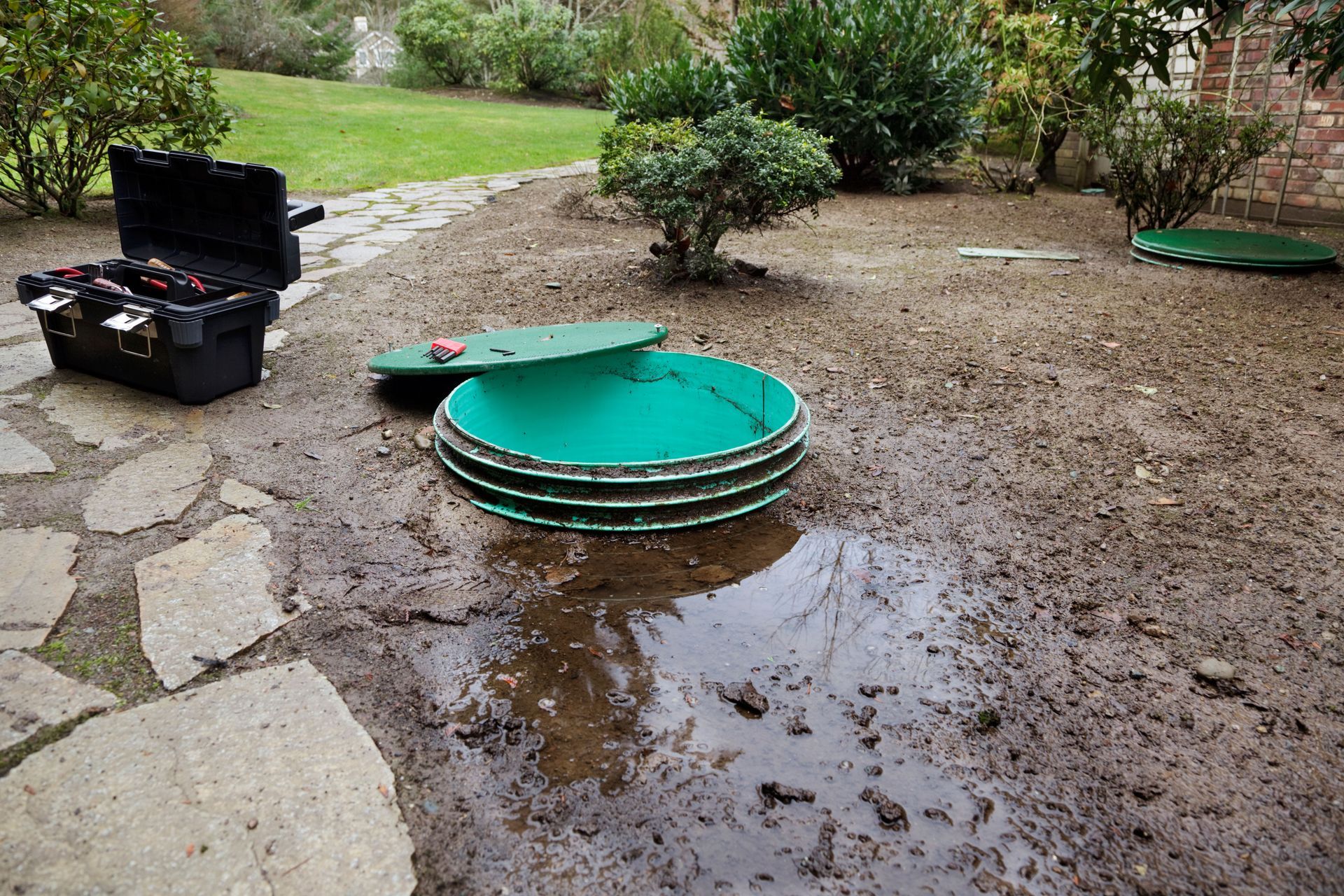
Regular visual inspections are fundamental in assessing the current state of a septic system. This process involves checking for visible leaks, surface pooling, and making sure access covers are secure and intact. Additionally, a quick inspection of the surrounding area can signal any unusual plant growth that might indicate system leakage. Visual inspections should be complemented with occasional professional assessments to ensure thorough verification. A trained eye from a qualified professional can often catch issues that might go unnoticed to an untrained observer.
An accurate assessment of sludge and scum levels is crucial for determining the timing of septic tank pumping. The sludge layer, which settles at the bottom of the tank, and the scum layer, which floats at the top, should not occupy more than one-third of the tank's volume. A simple test involves using a long stick to measure these layers, though professional tools provide more accurate readings. Accurate measurement aids in scheduling pumping services efficiently, avoiding untimely overflow or system failure. Monitoring these layers helps preemptively address potential problems.
The drain field must be in optimal condition to ensure efficient waste dispersion and treatment. Indicators of a failing drain field include grass wet spots, persistent wet areas, and odd smells rising from the ground. A properly functioning drain field will absorb liquid without pooling, supporting effective effluent management. Regular evaluations help prevent and remediate issues that could compromise the entire septic system. It is imperative to ensure no heavy machinery or traffic disturbs the soil composition of the drain field.
Preparing for Septic Tank Pumping
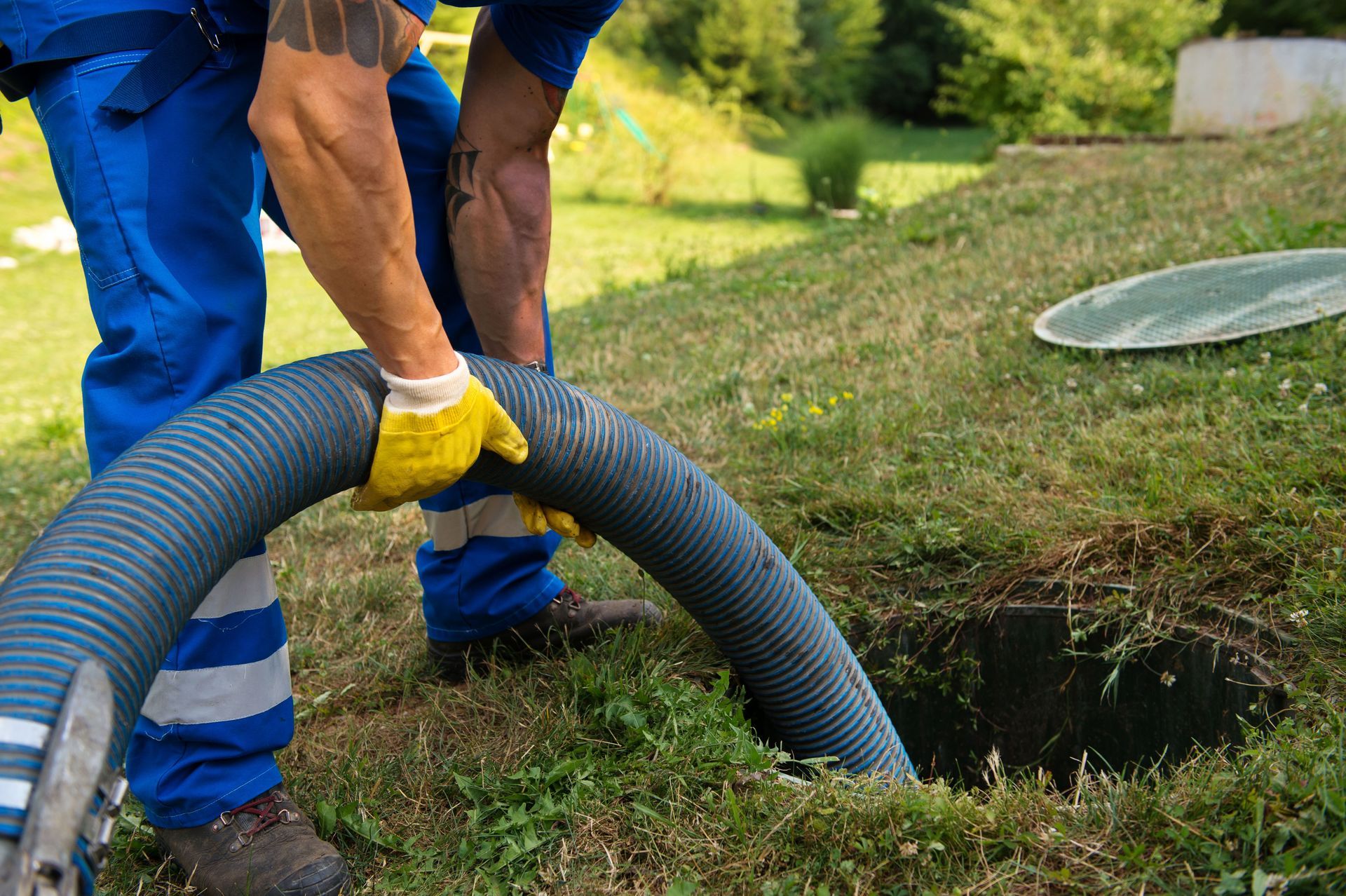
Septic tank pumping requires specific tools and equipment to be carried out efficiently and safely. These include a vacuum truck, safety gear, and materials for sealing and repairs if necessary. Properly functioning equipment ensures the process is conducted smoothly, reducing the risk of complications or system damage. A professional septic service provider will typically have all necessary equipment on hand, assuring readiness for any unforeseen circumstances. Ensuring all tools are functional and ready can significantly minimize process disruptions.
Choosing the right service provider is critical in achieving comprehensive septic cleaning success. Homeowners should review provider credentials, industry certifications, and customer testimonials to determine suitability. The provider should be well-versed in various aspects of septic maintenance, ensuring comprehensive and thorough service provision. Discerning professional competency can prevent mishaps during cleaning, which could otherwise damage the system. It is wise to select a reputable provider, ensuring peace of mind and service excellence.
The timing of septic tank pumping significantly affects its effectiveness and ease. Scheduling should be based on tank size, household occupancy, and usage patterns, typically every three to five years. Seasonal considerations are also important; experts recommend late spring or early summer for easier access and more favorable ground conditions. An optimal schedule reduces the risk of unexpected failures and ensures the system operates efficiently. By sticking to a routine, homeowners can achieve sustained system performance and longevity.
Executing the Septic Tank Cleaning Process
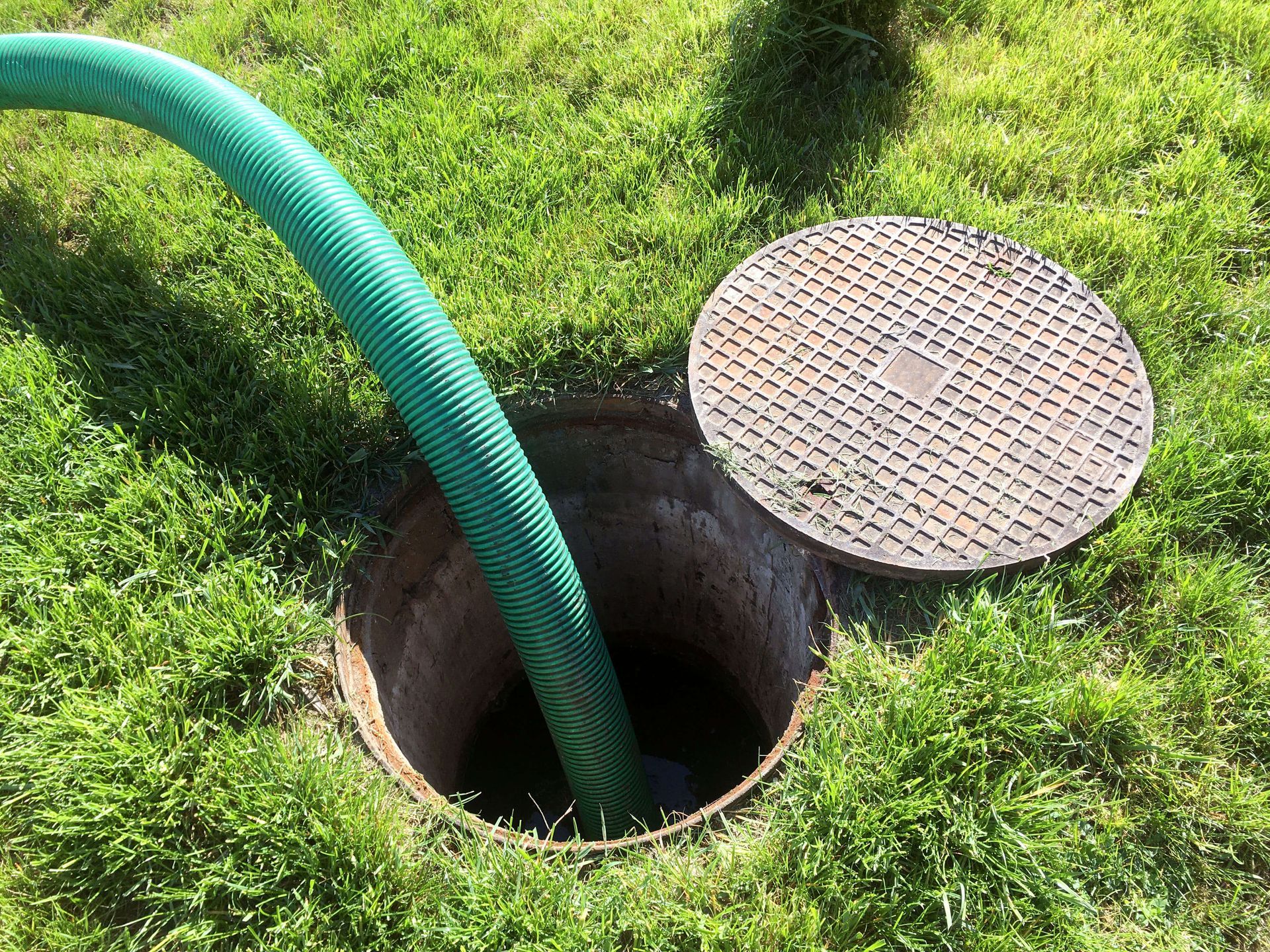
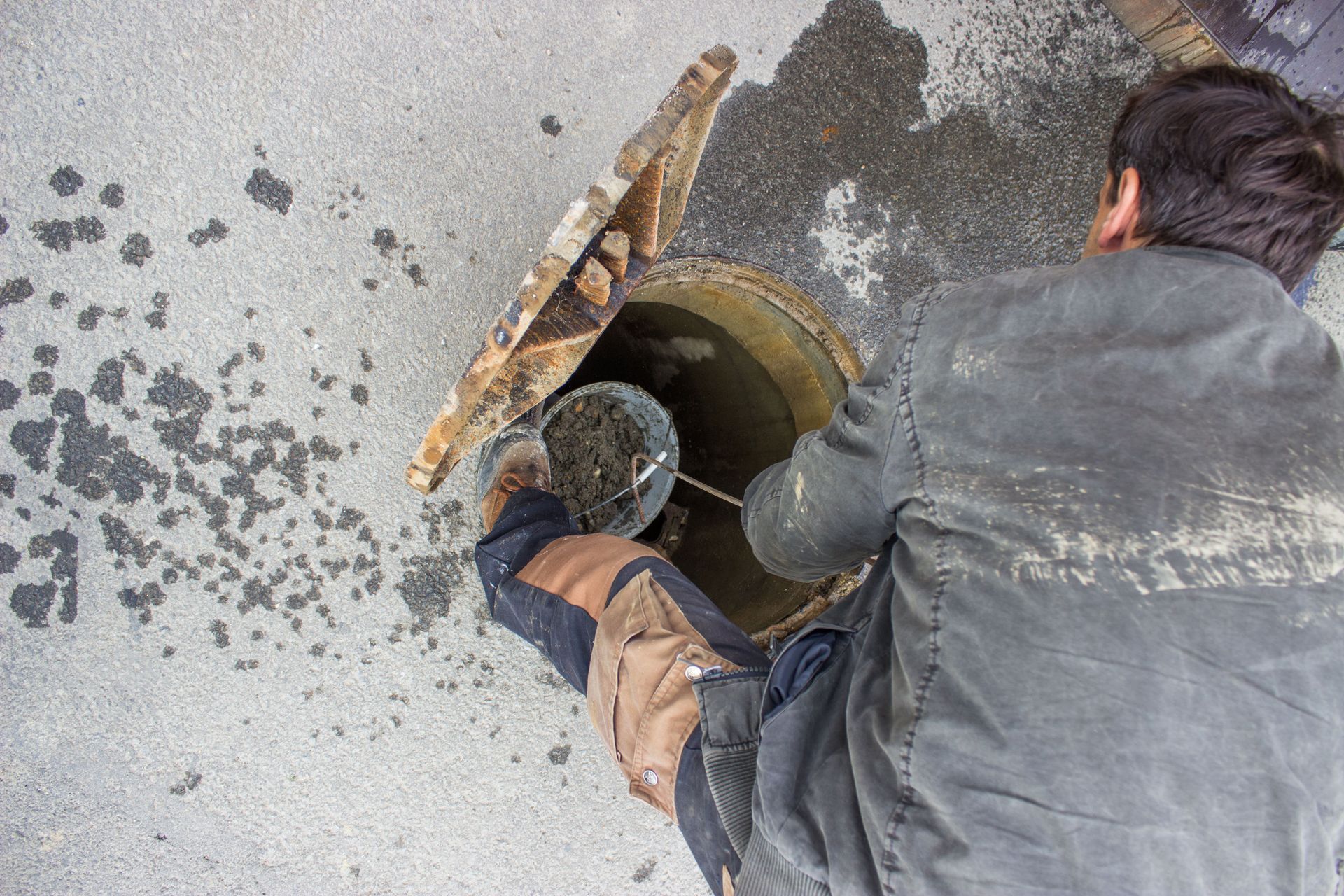
The septic tank pumping process begins with locating and accessing the tank, removing the lid, and thoroughly inspecting its contents. Once inspected, the vacuum truck removes both the liquid and solid waste layers from the tank. Careful attention is given to ensure no debris remains, reducing future blockages and maintaining operational efficiency. Afterward, the tank is rinsed to clean residual waste and sludge, followed by a final inspection. Ensuring complete cleanliness maximizes system performance post-service.
Handling and disposing of septic waste are subject to strict guidelines to safeguard environmental and public health. Waste is typically transported to treatment facilities where it undergoes further decomposition. The transportation process is meticulously managed and documented to comply with local regulations. Improper disposal could have serious financial and environmental repercussions, underlining the importance of diligent service provider selection. Responsible processing contributes to environmental sustainability and public health protection.
Regular septic system maintenance is a key element in preventing costly repairs and ensuring the longevity of your system. By scheduling a professional septic cleaning at regular intervals, homeowners can maintain a healthy system that functions efficiently and effectively, safeguarding both the environment and their property investments. Through thorough understanding and implementation of best-practice standards, property owners benefit from sustained operational efficiency and system vitality. Ongoing attention to management strategies underpins the dependable operation of septic systems integral to household infrastructure. Ultimately, proactive solutions nurture informed investments, championing a future of uninterruptible system reliability and longevity. For more information, contact Alm & Son Septic Service.
Share On: